
Boiler Repair in Northampton Reliable Solutions for Safe, Efficient Heating
Boiler Repair in Northampton: Reliable Solutions for Safe, Efficient Heating
0 0
Read Time:5 Minute, 18 Second

A boiler is one of those appliances that demands no attention at all, right up until the morning it refuses to fire and the house is suddenly cold and the shower runs icy. For something so central to daily comfort, the boiler is easy to take for granted, and that is precisely why a sudden failure feels so disruptive. Yet most breakdowns do not happen out of nowhere; they build from small, ignorable signs into full failures. Understanding how boilers go wrong, when a repair is genuinely urgent, and why qualified work matters so much can save households in Northampton a great deal of cost, cold, and inconvenience. This guide explains what to look out for and how to keep your heating dependable.

Why a Boiler Fault Is Not Worth Ignoring

It is tempting to live with a boiler that is merely misbehaving, perhaps making an odd noise or needing the occasional reset, especially if it still produces heat. The problem is that boiler faults rarely stay still. A minor issue such as low pressure or a faulty component tends to place extra strain on the rest of the system, gradually turning a small repair into a major one or a complete breakdown at the worst possible time.

There is also a safety dimension that sets boilers apart from most other appliances. A poorly performing gas boiler can, in the worst cases, produce carbon monoxide, an odourless gas that is genuinely dangerous. This alone is reason enough to treat unusual boiler behaviour as something to investigate promptly rather than tolerate, and to leave any gas-related work strictly to qualified professionals.

The Faults That Crop Up Most Often

Certain boiler problems appear again and again. A loss of pressure, often shown on the gauge dropping below the normal range, is among the most common and can stem from a leak or a faulty valve. No heating or hot water may point to a broken diaphragm, an airlock, a failed motorised valve, or a thermostat problem. Strange banging, gurgling, or whistling sounds, sometimes called kettling, frequently indicate a build-up of limescale or sludge within the system.

Other recurring issues include a pilot light or ignition that will not stay lit, radiators that fail to heat evenly, and leaks around the unit. While the symptoms can look alike, the underlying causes vary widely, which is why accurate diagnosis by an experienced engineer is so important. Treating the symptom without identifying the real cause tends to lead straight back to the same fault.

Why Qualified Repair Is Essential

Boiler work is not an area for cutting corners. Any engineer carrying out work on a gas boiler must by law be Gas Safe registered, a qualification that confirms they are competent and authorised to work safely with gas appliances. Using an unregistered or unqualified person is not just risky; it is illegal for gas work and can have serious safety and insurance consequences.

A properly qualified engineer brings more than legal compliance. They diagnose accurately, use the correct parts, and ensure the boiler is left operating safely and efficiently. They will also spot related issues that a less experienced person might miss, addressing the root of a problem rather than applying a quick fix that unravels within weeks. For something that heats your home and burns gas, that expertise is non-negotiable.

What a Repair Visit Involves

A professional boiler repair usually begins with a thorough assessment. The engineer checks the boiler’s behaviour, inspects key components, and uses diagnostic tools to pinpoint the fault rather than guessing. Once the cause is clear, they explain what has gone wrong, outline the options, and where possible carry out the repair on the same visit, replacing faulty parts and testing the system to confirm it is working safely.

Not every fault can be resolved in a single trip, particularly if a less common part needs ordering, and a reliable engineer will be upfront about that. In such cases they make the situation safe, explain the next steps, and arrange a return. Throughout, clear communication about what is needed and what it will cost helps you make an informed decision rather than feeling rushed.

When a Breakdown Becomes an Emergency

A boiler failure is always inconvenient, but some situations are genuinely urgent. A complete loss of heating and hot water in the depths of winter, particularly in a home with young children, elderly residents, or anyone vulnerable to the cold, calls for a prompt response. Any sign of a gas leak, the smell of gas, or a suspected carbon monoxide issue is a serious emergency that should be acted on immediately, including contacting the relevant emergency gas line.

This is where having a trusted, responsive local service really matters. Arranging boiler repair in Northampton through an established professional with genuine out-of-hours availability means help can reach you quickly when a breakdown cannot wait, restoring warmth and safety with minimal delay rather than leaving a household cold overnight.

Preventing Breakdowns Before They Happen

The most reliable way to avoid an emergency repair is regular maintenance. An annual boiler service by a Gas Safe registered engineer keeps the appliance running efficiently, catches small problems before they escalate, and is often a condition of keeping the manufacturer’s warranty valid. For landlords, an annual gas safety check is a legal requirement, but the principle holds for every household: a serviced boiler is a more reliable and safer boiler.

Simple habits help between services too. Keeping an eye on the pressure gauge, bleeding radiators when they heat unevenly, and acting on unusual noises or behaviour early all reduce the risk of a sudden failure. A well-maintained boiler not only breaks down less often but tends to run more efficiently, which shows up as lower energy bills over time.

Final Thoughts

A dependable boiler underpins a warm, comfortable, and safe home, and looking after it is far less costly than dealing with the consequences of neglect. Recognising the early signs of trouble, understanding why only qualified engineers should carry out the work, and keeping up with annual servicing together make breakdowns rarer and less severe. With a trusted professional on hand for both routine care and the occasional emergency, you can rely on your heating when it matters most rather than dreading the morning it lets you down.

Happy
Happy
0 %
Sad
Sad
0 %
Excited
Excited
0 %
Sleepy
Sleepy
0 %
Angry
Angry
0 %
Surprise
Surprise
0 %
Different Chic Interior Design Schemes
0 0
Read Time:7 Minute, 19 Second

Chic interior design is one of those styles people often recognize instantly, but struggle to define. A chic home usually looks polished, balanced, and effortlessly stylish—without feeling overly decorated or chaotic. The good news is that “chic” isn’t only one look. There are several chic interior design schemes, each with its own mood, color palette, and signature elements. Some chic styles feel modern and minimal, while others feel warm, layered, and luxurious. What they all have in common is intentional design: thoughtful furniture choices, cohesive colors, and the kind of details that make a space feel curated. Choosing the right scheme depends on lifestyle, personality, and the atmosphere someone wants their home to create. This guide explores different chic interior design schemes, explaining what defines each style, how to achieve the look without overspending, and what small design choices make the biggest difference in creating a home that feels stylish and timeless.

Modern Minimalist Chic: Clean, Calm, and High-End

Modern minimalist chic is one of the most popular design schemes because it makes a home feel calm and expensive. This style focuses on simplicity, clean lines, and intentional space. Instead of filling rooms with décor, it relies on fewer pieces that feel high quality. The goal is not emptiness—it’s balance.

The color palette is usually neutral: whites, soft grays, beige, and black accents. Furniture is often sleek and structured, with smooth surfaces and minimal ornamentation. Lighting is also important. Modern minimalist chic spaces often use statement lighting like pendant lamps or sculptural floor lamps that act as décor without adding clutter.

This design scheme works well for people who want their home to feel organized and stress-free. It’s also ideal for smaller homes, because minimalism prevents the space from feeling cramped. However, the biggest mistake people make is going too cold. Adding warmth through wood tones, textured rugs, or soft linen curtains keeps the space from feeling sterile.

In many home and garden interior design trends, modern minimalist chic is considered the most timeless because it doesn’t rely on loud patterns or fast-changing décor. When done well, it feels effortless and luxurious.

Parisian Chic: Elegant, Classic, and Slightly Romantic

Parisian chic is one of the most admired interior design schemes because it feels sophisticated without trying too hard. It blends classic architecture-inspired details with modern touches. A Parisian chic home often feels like it has history, even if it’s in a new building.

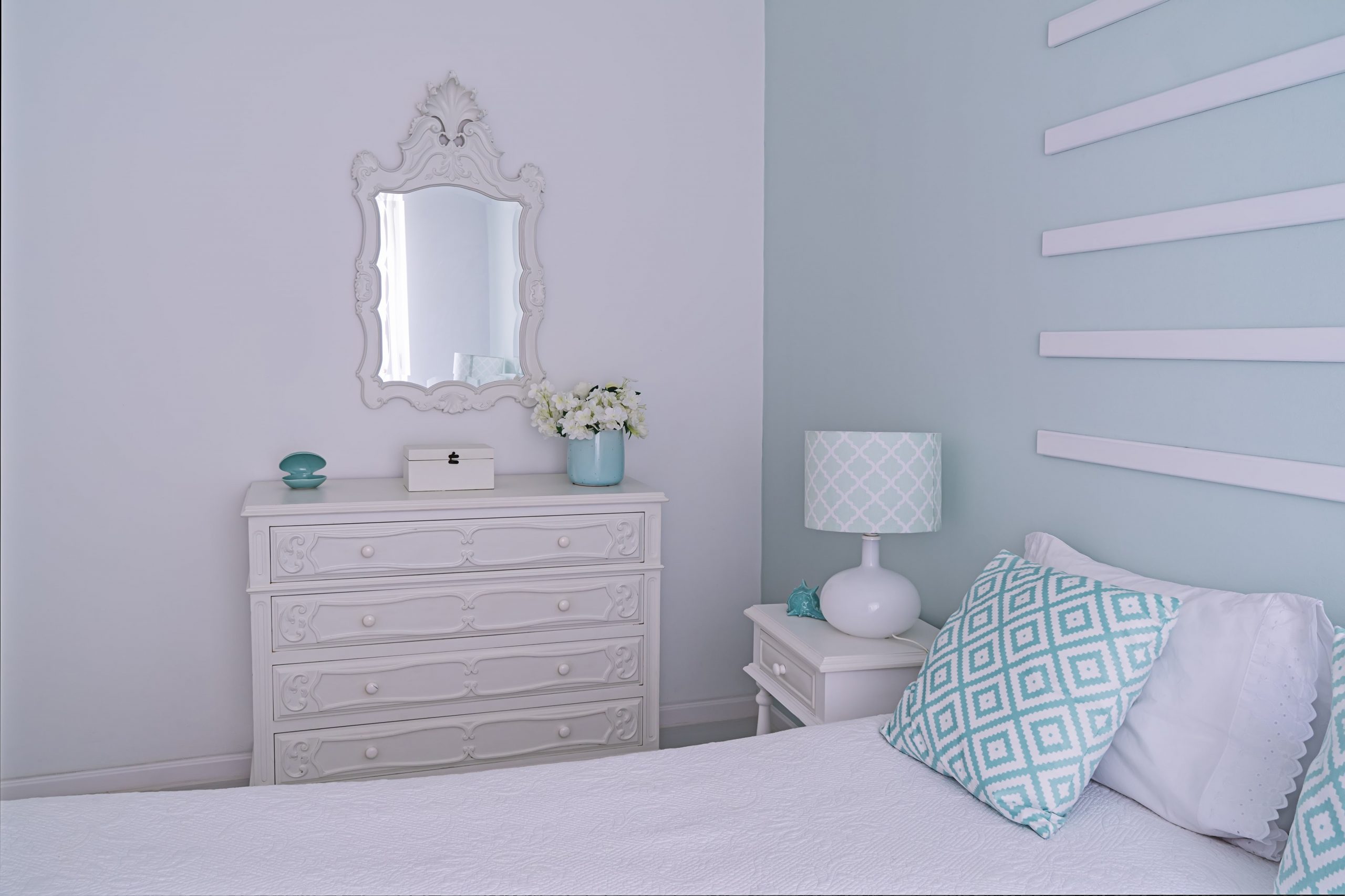
This style is known for its balance between old and new. Think: vintage mirrors, elegant moldings, soft neutral walls, and modern furniture pieces mixed in. The color palette is usually muted—cream, warm white, soft gray, and sometimes black accents. Parisian chic also loves gold hardware and warm lighting, which makes spaces feel refined.

Texture is a major part of the look. Velvet chairs, linen curtains, antique wood, and marble details are common. Artwork is also important, often leaning toward framed prints, black-and-white photography, or classic paintings.

Many elegant home styling advice sources recommend Parisian chic for people who want their home to feel romantic but still grown-up. It’s stylish, timeless, and doesn’t require a huge space. Even small apartments can look Parisian chic with the right details and intentional layering.

Scandinavian Chic: Cozy, Bright, and Effortlessly Stylish

Scandinavian chic is one of the most loved design schemes because it combines simplicity with comfort. Unlike strict minimalism, Scandinavian style focuses on warmth, natural light, and cozy textures. The overall vibe is clean but welcoming, making it perfect for everyday living.

The color palette is usually light and airy: white, soft gray, pale wood tones, and muted earth colors. Furniture tends to be functional with simple shapes, often made from natural materials like oak or birch. Plants are also common, because greenery adds life to the clean palette.

One of the key elements of Scandinavian chic is hygge, the concept of cozy comfort. This shows up in chunky knit throws, layered rugs, candles, soft lighting, and comfortable seating. A Scandinavian chic space feels like a home people actually live in—not a showroom.

In many home and garden interior design trends, Scandinavian chic is recommended because it’s practical. It works well for families, renters, and anyone who wants a stylish home without high maintenance décor. It’s also one of the easiest chic schemes to create on a budget because it focuses on simple design and thoughtful styling.

Modern Glam Chic: Bold, Shiny, and Luxurious

Modern glam chic is for people who want their home to feel luxurious and dramatic. This design scheme uses shine, contrast, and rich textures to create a high-end look. It often includes velvet furniture, metallic accents, glossy surfaces, and statement lighting.

The color palette can range from classic glam neutrals (white, black, gold, silver) to deeper tones like emerald green, navy, or blush pink. Mirrors are a major feature in glam interiors because they reflect light and make spaces feel larger. Crystal-style chandeliers, modern pendant lights, and sculptural lamps are also common.

Modern glam works best when it’s balanced. The goal is luxury, not clutter. Too many shiny pieces can feel overwhelming, so it’s better to choose a few standout glam elements and keep the rest of the space clean and modern.

Many elegant home styling advice guides recommend modern glam chic for people who love statement design. It’s perfect for living rooms, bedrooms, and vanity areas. When done well, modern glam makes a home feel like a boutique hotel—bold, polished, and unforgettable.

Earthy Chic: Natural, Warm, and Trendy Without Feeling Cheap

Earthy chic has become one of the most popular design schemes in recent years because it feels grounded and calming. This style focuses on warm natural colors, organic textures, and a relaxed, modern vibe. It often includes beige, terracotta, olive green, warm browns, and creamy whites.

Furniture and décor in earthy chic spaces tend to be made from natural materials like wood, rattan, linen, clay, and stone. The goal is to make the home feel connected to nature. Many earthy chic homes also include handmade décor pieces like ceramic vases, woven baskets, and textured wall hangings.

This scheme works especially well for people who want a cozy home that still feels modern. It’s also great for creating a soft, welcoming atmosphere without needing bright colors or heavy patterns. The biggest mistake people make is going too monotone. Adding contrast through black accents, dark wood, or greenery keeps the space visually interesting.

In home and garden interior design trends, earthy chic is often described as “modern comfort.” It’s stylish, calming, and perfect for people who want their home to feel peaceful and lived-in.

Monochrome Chic: Clean, Modern, and Very Instagram-Friendly

Monochrome chic is a design scheme built around one main color palette, usually black, white, and shades of gray. It’s bold, modern, and visually striking. This style is popular because it looks clean and polished in almost any space, especially in photos.

A monochrome chic home often features strong contrast: white walls with black furniture, black accents with light flooring, and graphic patterns like stripes or geometric prints. The key is keeping the palette consistent while adding texture to prevent the space from feeling flat. For example, a monochrome room might include matte black metal, soft velvet, marble, and textured rugs.

Monochrome chic also works well for people who want a modern home without needing to choose multiple colors. It simplifies decorating because everything stays within the same palette. However, the biggest risk is making the space feel too cold. Warm lighting, wood accents, and soft textiles help keep monochrome chic feeling comfortable.

Many elegant home styling advice sources recommend monochrome chic for modern apartments and contemporary homes. It’s sleek, confident, and always looks intentional when styled correctly.

Conclusion

Chic interior design can take many forms, which is why it remains one of the most appealing styles for modern homes. Some schemes, like modern minimalist chic and monochrome chic, focus on clean lines and visual simplicity, while others like Parisian chic and modern glam bring elegance and luxury through layered textures and statement details. Scandinavian chic offers a cozy, practical version of chic design, while earthy chic creates a warm, natural atmosphere that feels calming and modern. The best scheme depends on lifestyle, space, and personal taste, but all chic styles share one thing in common: intentional design choices that feel balanced and cohesive. A chic home doesn’t require expensive furniture—it requires consistency in color, thoughtful styling, and a few strong focal pieces. When the right scheme is chosen and applied with care, any home can feel polished, stylish, and timeless without feeling overdone.

Happy
Happy
0 %
Sad
Sad
0 %
Excited
Excited
0 %
Sleepy
Sleepy
0 %
Angry
Angry
0 %
Surprise
Surprise
0 %
Easy DIY Home Decoration Ideas
0 0
Read Time:7 Minute, 18 Second

DIY home decorating is one of the easiest ways to refresh a space without spending a lot of money. Many people assume home décor upgrades require expensive furniture, professional designers, or major renovations, but small changes can completely transform how a room looks and feels. The best DIY decoration ideas are simple, affordable, and realistic—projects that can be done in an afternoon with basic tools and minimal mess. DIY décor also has a personal touch that store-bought items often lack. It allows homeowners and renters to create a space that reflects their style, whether they prefer modern minimalism, cozy farmhouse vibes, or bold statement décor. Even small upgrades like wall art, lighting changes, or furniture refreshes can make a room feel more polished and intentional. This guide shares easy DIY home decoration ideas that work for different budgets and skill levels, helping people upgrade their homes in creative ways without turning the process into a stressful weekend project.

Create DIY Wall Art That Looks Store-Bought

Wall art is one of the fastest ways to make a home look more finished. Empty walls often make rooms feel incomplete, even if the furniture is nice. The good news is that DIY wall art can look surprisingly high-end, especially when the design is simple and clean.

One easy DIY idea is abstract canvas art. A person can buy an inexpensive blank canvas and use acrylic paint to create modern shapes, neutral tones, or textured brush patterns. Another popular option is framed printable art. Many people download affordable art prints online, then frame them in matching frames for a cohesive look. This creates a gallery-style effect without the price tag of designer artwork.

Wall art can also be made from unexpected materials. Fabric, wallpaper scraps, pressed flowers, or even old book pages can become beautiful framed pieces. The key is choosing colors that match the room so the décor feels intentional rather than random.

In many home and garden DIY decorating ideas, wall art is considered the most beginner-friendly upgrade. It doesn’t require special skills, but it makes a room look more styled and personal instantly.

Upgrade Old Furniture With Paint, Stain, or Hardware Swaps

A furniture refresh is one of the most satisfying DIY home decoration projects because it creates a dramatic before-and-after result. Many people have old dressers, side tables, or cabinets that look outdated but are still structurally strong. Instead of replacing them, a simple makeover can make them look modern and expensive.

Painting furniture is one of the easiest upgrades. Neutral colors like white, beige, soft gray, or deep charcoal often work well for modern styles. For a bolder look, colors like forest green, navy, or terracotta can make furniture feel like a statement piece. Sanding and sealing properly helps the finish last longer, but even basic paint jobs can make a huge difference.

Hardware swaps are another quick fix. Replacing old knobs with modern handles instantly upgrades a dresser or cabinet. This is one of the simplest DIY tricks because it requires minimal effort but delivers a polished look.

Many practical home style inspiration sources recommend furniture makeovers because they are budget-friendly and sustainable. Instead of throwing away old furniture, people can refresh it and create something that feels custom to their space.

Make a Cozy Space With DIY Lighting and Soft Ambience

Lighting changes the mood of a home more than almost anything else. Many rooms look dull simply because the lighting is harsh or unflattering. DIY lighting upgrades don’t always require electrical work. In fact, some of the best DIY lighting ideas involve simple, renter-friendly solutions.

One easy idea is adding warm LED string lights in bedrooms, patios, or reading corners. Another option is swapping lampshades to change the entire look of a lamp. A cheap lamp can look expensive with the right shade. People can also use battery-powered wall sconces to add a luxury feel without wiring.

Candles and lantern-style lighting also create cozy ambience. Even placing a few candles on a tray with décor items can make a living room feel warmer and more styled. Many people also use LED candles for safety and convenience.

In home and garden DIY decorating ideas, lighting is often described as the “secret weapon” of home décor. A room can look average during the day but feel beautiful at night with the right warm glow. Good lighting makes a home feel calmer, cleaner, and more intentional.

DIY Decorative Shelves and Styling Corners That Look Designed

Shelves are both functional and decorative, which makes them a perfect DIY décor project. A simple floating shelf can transform a blank wall and create space for décor, books, plants, and framed photos. Shelves also help rooms feel layered instead of flat.

DIY shelves can be made with basic materials like wood planks and brackets. Many people choose natural wood for a warm, modern look. Others paint shelves to match the wall for a clean minimalist style. Even small corner shelves can make a room feel more complete, especially in tight spaces.

The styling of shelves matters just as much as the shelf itself. A shelf looks best when it has a mix of items: a plant, a stack of books, a candle, and one personal object. The goal is balance, not clutter. Too many items can make the shelf look messy.

Many practical home style inspiration guides recommend creating “styled corners” in a home. A corner with a shelf, a plant, and a lamp can look like it came from a design magazine. Small intentional zones make a home feel more curated, even without expensive furniture.

Use DIY Textiles: Pillow Covers, Curtains, and No-Sew Upgrades

Textiles are one of the easiest ways to change the look of a room quickly. Pillows, curtains, and throws add softness, color, and personality. The best part is that many textile upgrades can be DIY without needing advanced sewing skills.

One popular DIY option is no-sew pillow covers using fabric glue or iron-on hemming tape. A person can buy affordable fabric and create custom pillow covers in colors that match their home. Another easy project is upgrading curtains. Even simple curtain panels look more expensive when they are hemmed properly or hung higher near the ceiling.

DIY table runners, placemats, and bed scarves can also make a space feel more styled. Some people even use drop cloth fabric to create a clean, modern farmhouse look for a low cost.

In many home and garden DIY decorating ideas, textiles are recommended because they create instant comfort. A room with layered fabrics feels warmer, more lived-in, and more welcoming. It’s also one of the easiest ways to refresh a space seasonally without doing major changes.

DIY Greenery and Decor: Plants, Planters, and Simple Natural Touches

Plants instantly make a home look more alive. Even one small plant can change the energy of a room. For DIY décor lovers, greenery also opens the door to creative projects like custom planters, plant stands, and natural-inspired displays.

A simple DIY idea is painting terracotta pots. Terracotta is affordable, but painting it in neutral or modern colors makes it look high-end. Another option is creating DIY plant stands using wood, metal, or even stacked books. Hanging planters are also popular for small spaces, especially in kitchens and bathrooms.

For people who don’t want the responsibility of real plants, high-quality artificial plants can still add style. Dried flowers, pampas grass, and eucalyptus arrangements also work well as low-maintenance décor.

Many practical home style inspiration sources recommend adding greenery because it balances the “hard” look of furniture and walls. Plants soften a space, add color naturally, and make a home feel more peaceful and complete.

Conclusion

Easy DIY home decoration ideas prove that a space doesn’t need expensive furniture or major renovations to look stylish and intentional. Simple projects like creating wall art, refreshing old furniture, upgrading lighting, and adding shelves can dramatically improve how a room feels. Textiles such as pillows and curtains add warmth and softness, while greenery brings life and natural balance to the home. The most successful DIY décor projects are the ones that match the home’s style and the homeowner’s realistic skill level, so the process stays enjoyable instead of stressful. Even small changes can make a space feel more polished when they are done with consistency and attention to detail. DIY decorating also adds personality, making the home feel unique rather than copied from a catalog. With a few affordable materials and a little creativity, anyone can transform their home into a more comfortable, beautiful, and welcoming space—one project at a time.

Happy
Happy
0 %
Sad
Sad
0 %
Excited
Excited
0 %
Sleepy
Sleepy
0 %
Angry
Angry
0 %
Surprise
Surprise
0 %