
A Guide to Crossfire Game
 0
0
 0
0
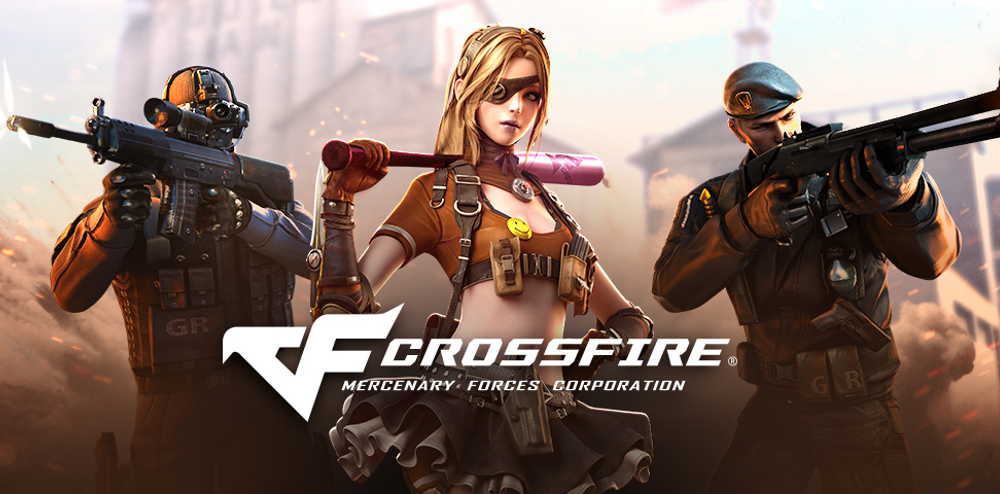
CrossFire is one of the most iconic online first-person shooter games in the world, even if it doesn’t always get the same attention as newer FPS titles. Known for its fast matches, classic team-based modes, and competitive gameplay, CrossFire has built a massive global player base over the years. For many players, it’s a nostalgic favorite that still delivers intense action, skill-based gunfights, and satisfying progression. What makes CrossFire stand out is how it blends simple mechanics with a surprisingly deep competitive side. New players can jump in quickly, but experienced players know the game rewards map knowledge, teamwork, recoil control, and smart positioning. Whether someone is playing casually for fun or trying to climb competitive ranks, understanding the basics makes the experience smoother and more enjoyable. This guide breaks down how CrossFire works, what game modes matter most, and how players can improve quickly without feeling overwhelmed.
What CrossFire Is and Why It’s Still Popular Today
CrossFire is a multiplayer FPS built around classic team-versus-team combat. At its core, it’s simple: players join matches, pick weapons, and fight to complete objectives or eliminate the enemy team. But what made CrossFire legendary was its ability to stay accessible while still offering competitive depth.
The game became especially popular in regions like Asia, South America, and parts of Europe because it ran well on low-spec computers. Unlike many modern FPS games that require strong hardware, CrossFire could be played smoothly on basic setups. That accessibility helped it spread rapidly and build a loyal community.
CrossFire also benefited from consistent updates, new weapons, maps, and seasonal events. Even though the game has been around for years, it continues to feel active in many communities because of its strong competitive scene and fast matchmaking.
In many competitive shooter gaming guides, CrossFire is often described as one of the most influential online shooters ever made. It helped define the style of classic tactical FPS gameplay for millions of players, and that legacy is still part of why it remains enjoyable today.
The Core Game Modes Every Player Should Understand
CrossFire offers multiple game modes, but a few stand out as the most important. Search & Destroy is one of the most iconic. In this mode, one team attacks and tries to plant a bomb, while the other team defends and tries to stop them. If the bomb is planted, defenders must defuse it before time runs out. This mode rewards teamwork, positioning, and smart timing.
Team Deathmatch is another classic mode. It’s fast-paced, straightforward, and perfect for warming up. Players score points by getting kills, and the team with the most kills wins. This mode is often where beginners learn basic aiming, movement, and weapon handling.
Other modes like Zombie Mode and special event modes exist as well. These modes are more casual and are often designed for fun rather than pure competition. They can be a great way to take a break from ranked pressure while still enjoying the game.
In the world of ultimate gaming knowledge center content, learning the main modes is essential because CrossFire is not a game where random rushing always works. Each mode requires different habits, and players improve faster when they understand what the objective actually is.
Weapons, Loadouts, and How Gunplay Works in CrossFire
CrossFire has a huge variety of weapons, ranging from assault rifles and SMGs to sniper rifles, shotguns, and pistols. For new players, this can feel overwhelming. But most competitive play centers around a few reliable weapon types.
Assault rifles are the most balanced choice because they work at both medium and long range. SMGs are great for aggressive players who like rushing and close combat. Snipers are powerful but require accuracy and patience. Shotguns can dominate in tight areas but are less reliable in open maps.
Gunplay in CrossFire is heavily influenced by recoil patterns, movement accuracy, and burst control. Players who spray wildly will lose fights against opponents who tap-fire or burst properly. CrossFire rewards discipline and control, especially in competitive modes.
Loadouts also matter. Players often choose grenades, flashbangs, and smoke grenades depending on their role. Using utility well can win rounds without needing perfect aim.
Many competitive shooter gaming guides emphasize that CrossFire is not just about having the “best gun.” It’s about mastering one or two weapons and learning how to use them in different situations. Skill and consistency matter more than constantly switching weapons.
Map Knowledge: The Fastest Way to Improve Without God-Tier Aim
A lot of beginners assume CrossFire is purely about aiming. While aim matters, map knowledge is often the bigger advantage. Knowing where enemies usually push, where common sniper angles are, and how to rotate quickly can win rounds even against stronger shooters.
Maps in CrossFire often have predictable lanes and choke points. Once players understand these patterns, they can position themselves more intelligently. Instead of walking into obvious danger, they can pre-aim angles, use cover properly, and choose safer routes.
Map knowledge also helps with sound awareness. In many CrossFire matches, footsteps and reload sounds give away enemy positions. Players who understand the map layout can predict where enemies are moving based on sound cues and timing.
Smokes and flashes become much more effective once a player knows where to throw them. A well-placed smoke can block a sniper’s view, and a flash can clear a corner without risking a face-to-face fight.
In ultimate gaming knowledge center discussions, map mastery is considered one of the easiest “skill upgrades” because it doesn’t require perfect reflexes. It requires practice, observation, and learning from mistakes.
Teamwork and Communication: How Matches Are Really Won
CrossFire is a team-based shooter, and teamwork is often what separates average players from strong players. In objective modes like Search & Destroy, one player cannot carry every round alone. Even if someone is skilled, they will struggle against coordinated opponents.
Communication is key. Calling out enemy locations, sharing information about bomb sites, and warning teammates about rotations can turn a losing round into a win. Even simple callouts like “two mid” or “sniper A” make a difference.
Team roles also matter. Some players are entry fraggers who push first. Others are support players who use utility and trade kills. Some hold defensive angles and protect bomb sites. A balanced team performs better than a group of players all trying to rush at once.
Many players ignore teamwork because they want kills, but CrossFire rewards smart team play. Winning rounds consistently is usually more important than individual stats.
In many competitive shooter gaming guides, communication is described as a “hidden weapon.” Players who talk, share information, and play together often beat teams with stronger aim but poor coordination.
Tips for Beginners: How to Improve Fast Without Burning Out
For beginners, CrossFire can feel intense. The best way to improve is to focus on small habits rather than trying to master everything at once. One of the simplest tips is learning one weapon and sticking to it. Consistency builds muscle memory.
Another important habit is crosshair placement. Instead of aiming at the ground, players should aim at head level where enemies are likely to appear. This reduces reaction time and makes gunfights easier.
Warm-up is also underrated. Spending 10–15 minutes in casual modes or practice before competitive matches helps improve aim and movement. Watching better players can also teach positioning and timing.
It’s also important to manage frustration. CrossFire can be fast and punishing, especially when playing against experienced opponents. Taking breaks and treating improvement as a long-term process helps prevent burnout.
Many ultimate gaming knowledge center sources recommend that beginners focus on progress, not perfection. CrossFire is a classic shooter with a steep learning curve, but it’s also rewarding. The more a player learns, the more satisfying the game becomes.
Conclusion
CrossFire remains one of the most entertaining and influential online FPS games because it delivers fast action, classic competitive modes, and gameplay that rewards real skill. While new players can jump in quickly, the game becomes far more enjoyable when they understand its core modes, weapon types, and how objectives actually work. Improving in CrossFire is not only about aiming—it’s about learning maps, mastering positioning, using grenades effectively, and communicating with teammates. Players who focus on small consistent habits, such as crosshair placement and sticking to one reliable loadout, tend to improve much faster than those who play randomly. CrossFire also rewards teamwork, especially in Search & Destroy, where coordination often matters more than raw kills. With practice and the right mindset, CrossFire can be a long-term favorite for casual players and competitive grinders alike, offering a classic FPS experience that still holds up today.


